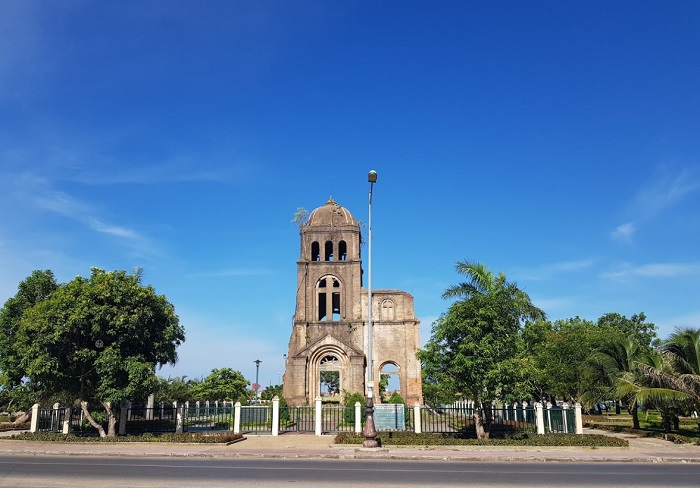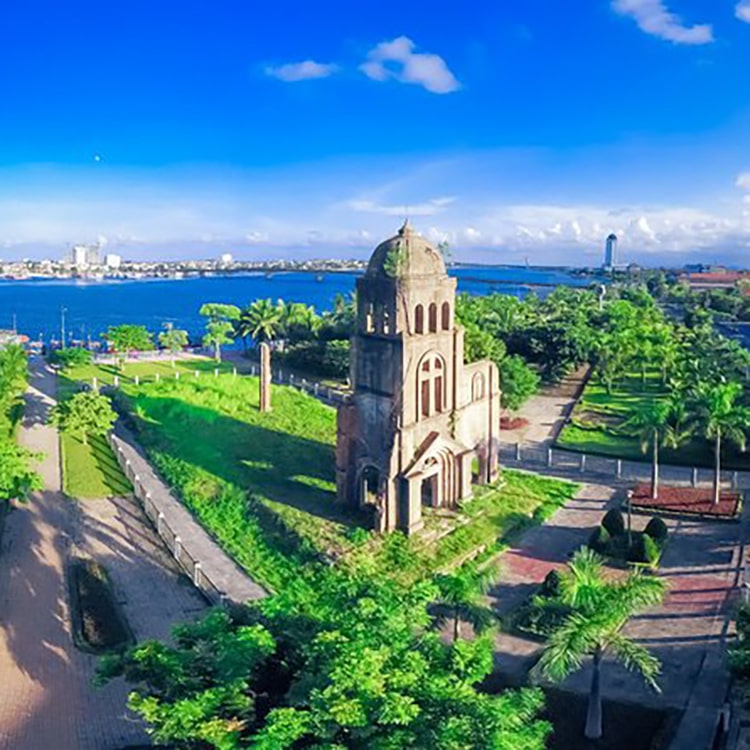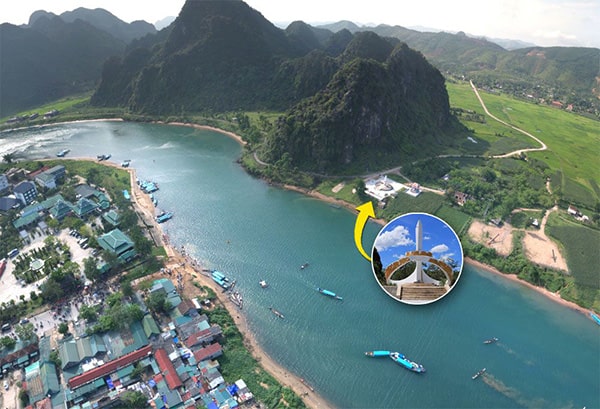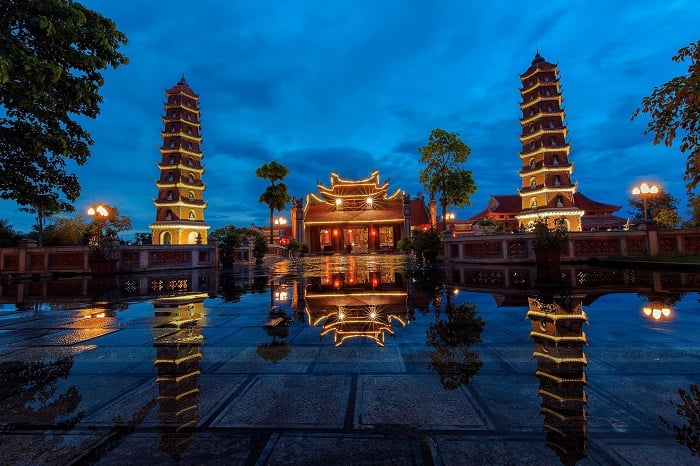
Phong Nha Village is an ancient settlement located in Phong Nha Town, Bo Trach District, Quang Binh Province. Formed between the 14th and 16th centuries, it is predominantly inhabited by the Kinh people. This village is a peaceful countryside locale that reflects the cultural essence of the Quang Binh people.
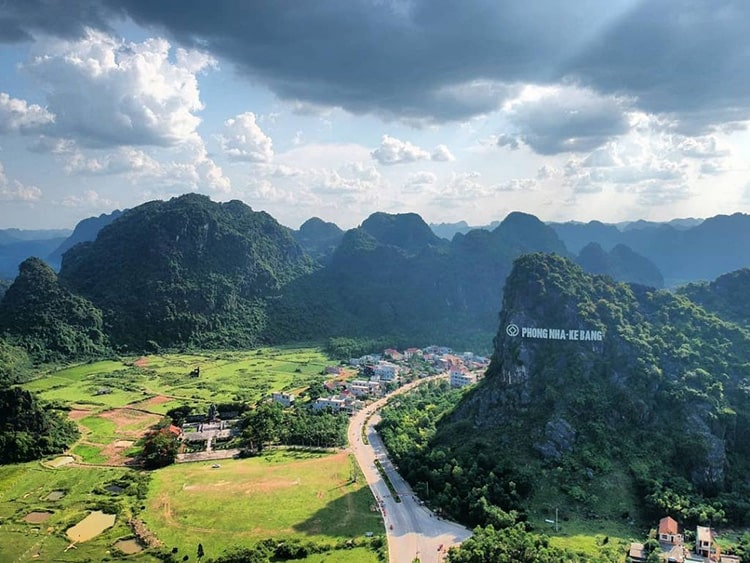
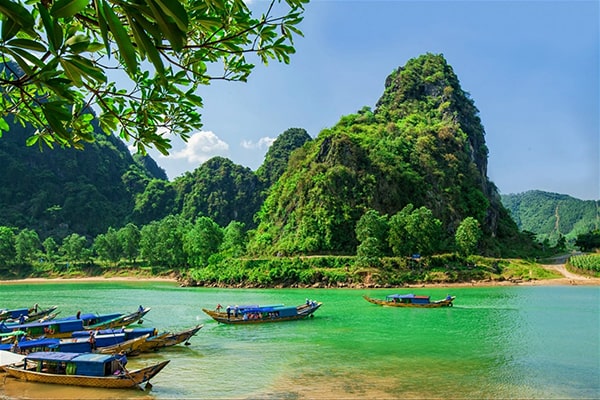
Nestled within the Phong Nha-Ke Bang tourist area, a UNESCO World Natural Heritage site since 2003, the village boasts stunning natural landscapes. It features lush green rice fields, straight rows of cornfields, and expansive primary forests. Covering an area of approximately 100 hectares, Phong Nha Village is surrounded by majestic limestone mountains, creating a picturesque and tranquil setting.
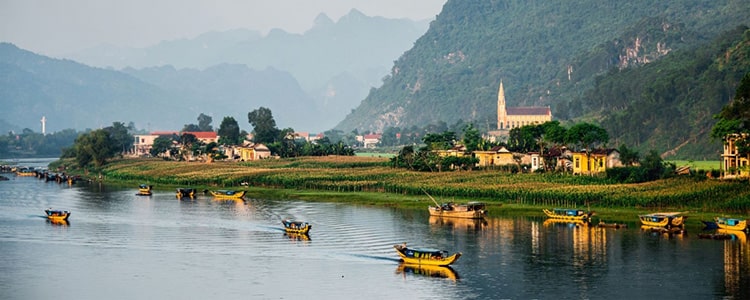
This village enjoys a prime geographical location, situated right on the banks of the Son River, about 50 km from Dong Hoi City. Across the river lies Na Village, a peaceful riverside hamlet also in Phong Nha Town.
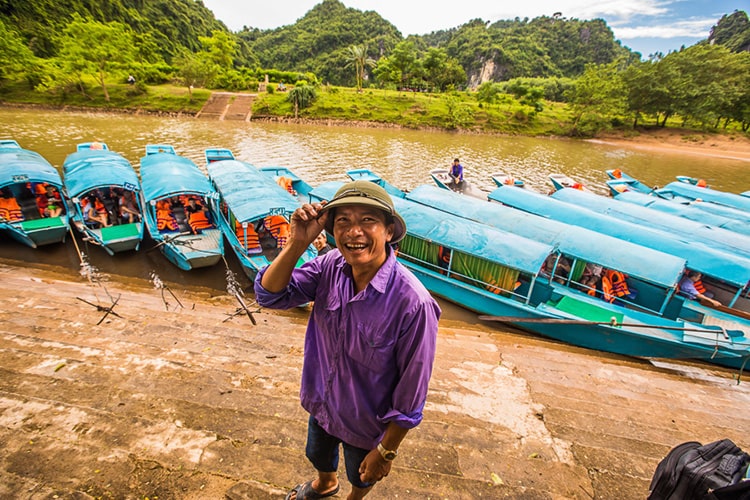
Phong Nha Village retains the traditional cultural characteristics of the Kinh ethnic group. In the past, its residents mainly lived off agriculture, cultivating rice, corn, sweet potatoes, and cassava. Nowadays, their livelihoods have shifted to tourism, aquaculture, and modern agriculture. Today, Phong Nha has transformed into a bustling tourist town with an area of 99.48 km². Since Phong Nha-Ke Bang was recognized as a World Heritage Site, the village has seen significant development. Numerous restaurants, hotels, homestays, and travel companies have sprung up to meet the growing demand of tourists. This has greatly contributed to the economic growth of the area. According to statistics, the population here in 2019 was 12,475 people, with a density of 125 people per km². Locals have improved their living standards through tourism-related activities such as boat services, souvenir sales, operating restaurants and hotels, and renting out tourist vehicles. Notably, one distinctive local occupation is cage fish farming on the Son River. The main fish species raised are grass carp and eel. Leveraging the tourism potential of the Son River, residents have turned this trade into a lucrative business, significantly boosting their income. Additionally, these fish have become a culinary specialty, offering various unique dishes for visitors.
The younger generation in Phong Nha now enjoys better education. Instead of working abroad as in previous generations, young people choose to pursue higher education in tourism-related fields, contributing to the development of local tourism. Consequently, the quality of tourism services has improved significantly.
Phong Nha Village is situated in a tropical monsoon climate, characterized by two distinct seasons. The dry season lasts from April to September, while the rainy season runs from October to March. Despite the heat during the dry season, the village remains cool due to the surrounding limestone mountains and the nearby river. Conversely, the rainy season often brings significant flooding, causing severe damage to the area.
One remarkable aspect of Phong Nha Village is its long-standing cultural heritage, enriched by local customs and traditions.
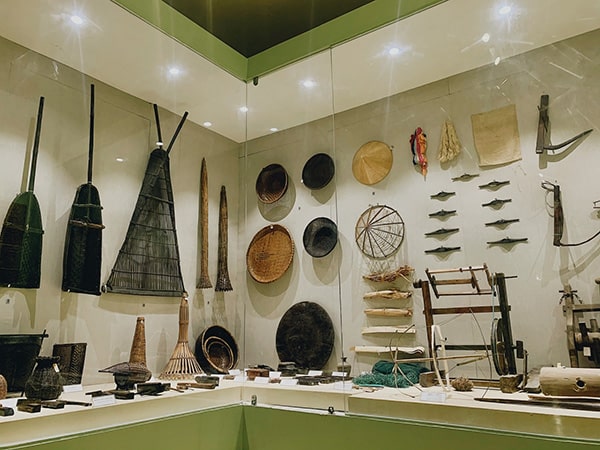
The folk arts of Phong Nha Village in Quang Binh are diverse and vibrant, including forms like dance, singing, and music. These art forms are deeply intertwined with the daily lives of the villagers, reflecting their aspirations and dreams. Traditional festivals are a highlight of the cultural heritage of Phong Nha Village. These festivals often align with local beliefs and express the villagers’ hopes and prayers to the gods and nature. Notable traditional festivals include the boat racing festival on the Son River, the grass carp festival, and the Heritage Ao Dai festival. The customs and traditions of the Phong Nha villagers also bear a strong cultural identity. Examples include ancestor worship, betel chewing, traditional weddings, and funeral rites. The cuisine of Phong Nha Village is equally rich and varied, featuring dishes with a distinct mountain flavor. Some local specialties include grass carp, stream fish, hill chicken, wild boar, and forest vegetables. Despite the growth of local tourism, the villagers of Phong Nha have retained their simplicity, hospitality, and friendliness, always ready to welcome visitors.
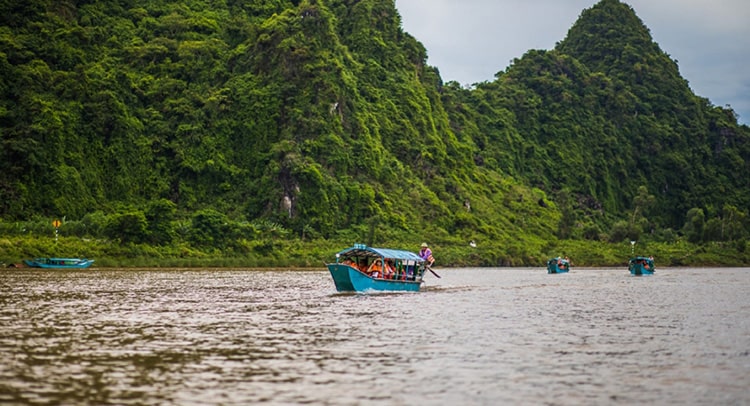
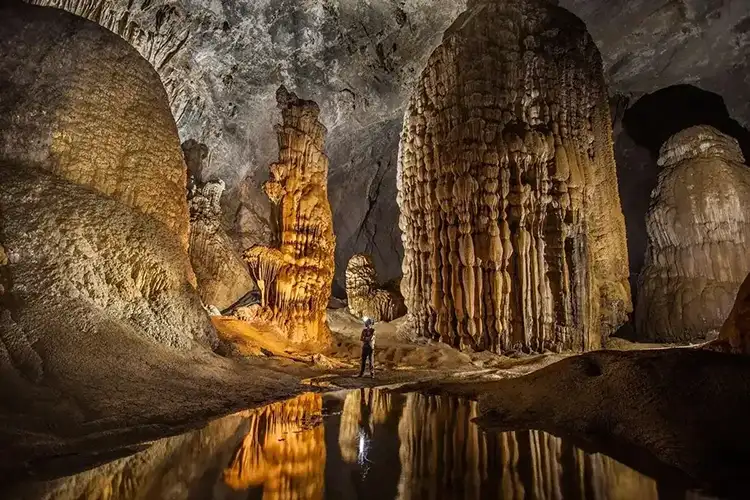
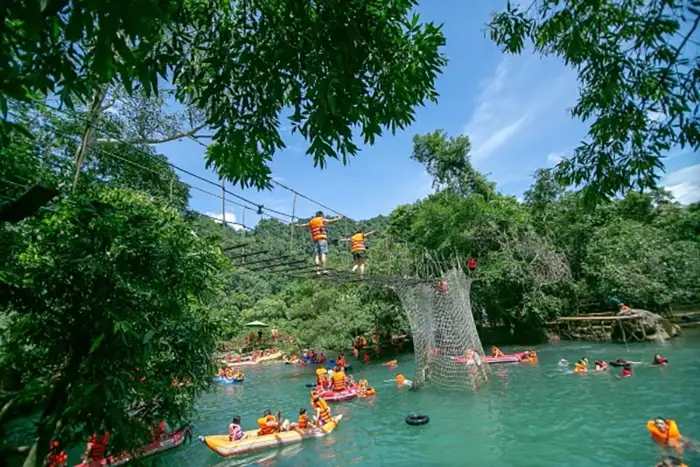
Phong Nha Village is a captivating tourist destination that attracts numerous domestic and international visitors. Here, tourists can admire the beautiful natural landscapes, immerse themselves in the serene village life, and explore the traditional culture of the Kinh people. One of the most famous attractions in Phong Nha Village is the Phong Nha Cave, renowned as one of the most beautiful caves in the world. With its stunning stalactites and stalagmites, the cave offers breathtaking natural views.
In recent years, Phong Nha Village has become a must-visit destination in Quang Binh Province and Vietnam. It draws large numbers of visitors who come to enjoy its natural beauty and explore the unique caves found nowhere else. If you ever have the chance to visit this heritage area, don’t miss the opportunity to explore this charming and fascinating ancient village.
- Quang Phu Sand Dunes – The “Miniature Sahara Desert” of Quang Binh, Vietnam
- Quang Binh coastal boat racing and flower dance festival
- Mooc Spring – “The Muse” Amidst Phong Nha’s Majestic Mountains
- Bai Dinh Pagoda Festival
- 7 Most Beautiful Islands in Asia You Should Visit at Least Once in Your Lifetime